
A photo, a video call, a quick glance in the mirror. Sometimes that’s all it takes to notice how much your teeth overlap, twist, or compete for space. For many people, that moment leads to the same quick conclusion: clear aligners won’t be enough for this.
It’s an understandable reaction. When teeth look noticeably crowded or uneven, clear aligners in Miramar can seem like a solution meant for smaller, simpler fixes. But that assumption doesn’t always match reality. Advances in digital planning and aligner design have expanded what’s possible, allowing dentists to correct a wider range of alignment issues with more precision than before.
Before you rule yourself out, it helps to look at what “too crooked” actually means and how often that line falls in a different place than expected.

What Counts as “Too Crooked”?
“Crooked teeth” can mean different things depending on who you ask. For some, it’s a slight overlap that only they notice. For others, it may involve more visible crowding or bite concerns.
Dentists typically look at a few specific categories:
- Crowding: When there isn’t enough space for teeth to sit in proper alignment, causing overlap.
- Spacing: Gaps between teeth that may affect appearance or function.
- Rotation: Teeth that are twisted or turned out of position.
- Bite issues: Including overbite, underbite, crossbite, or open bite.
What feels severe on a personal level doesn’t always translate to a complex orthodontic case. Many patients are surprised to learn that concerns they assumed were “too far along” may still be manageable with clear aligners.
What Clear Aligners Can Fix
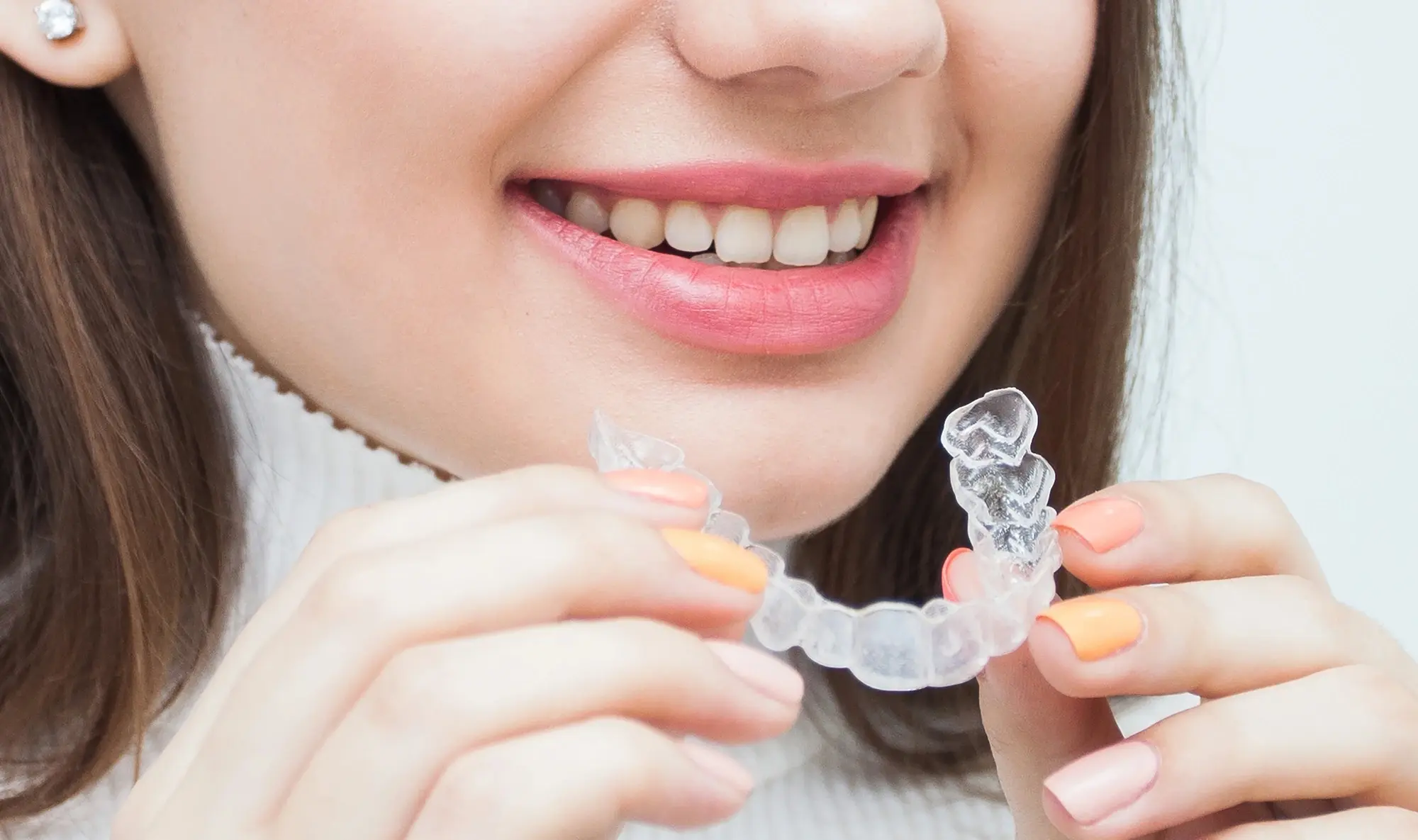
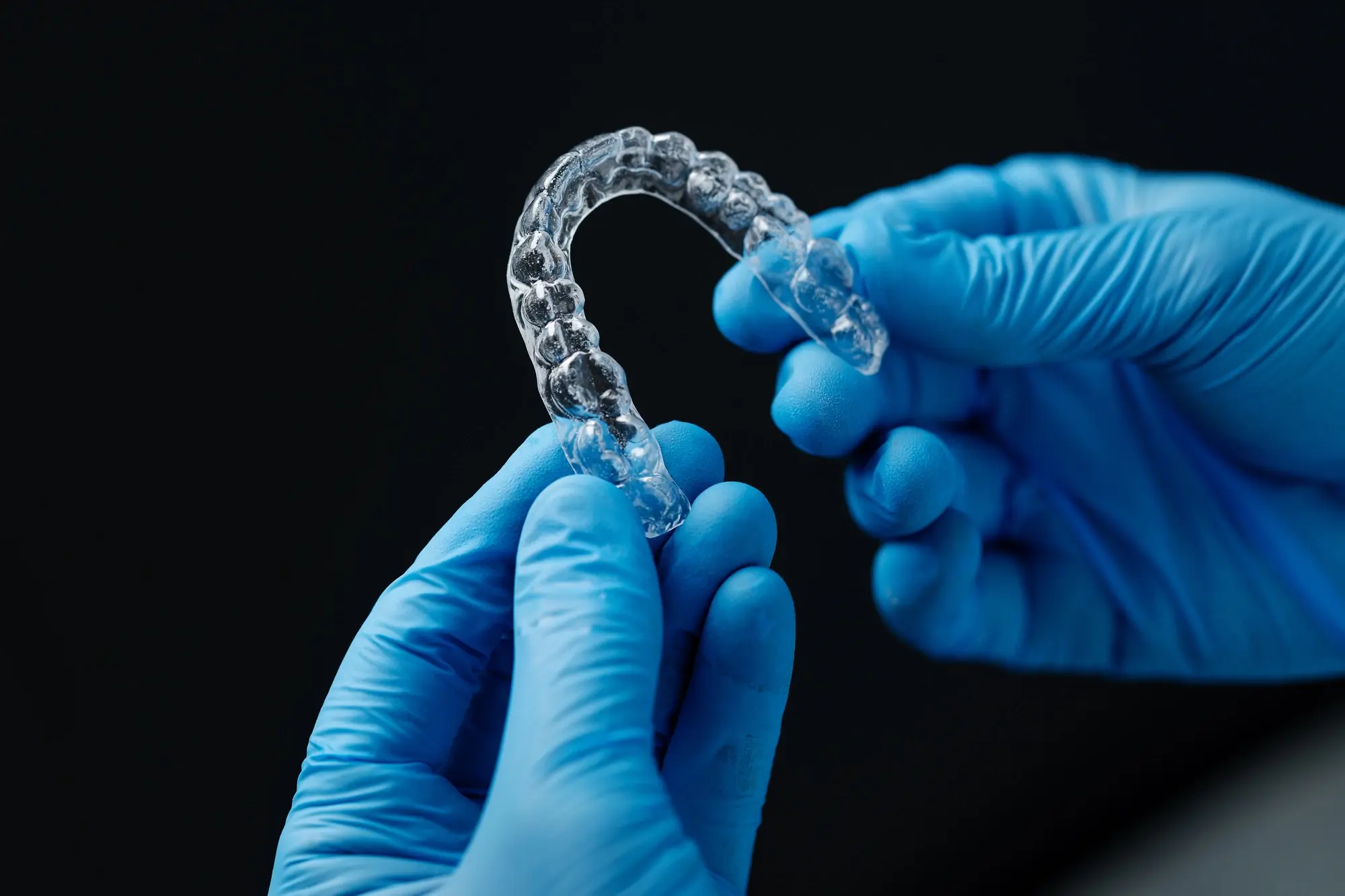
Clear aligners are designed to move teeth gradually using a series of custom-made trays. Each set is calibrated to guide your teeth step by step into a better position.
They are commonly used to address:
- Mild to moderate crowding
- Small to moderate gaps
- Minor bite misalignment
- Teeth that have shifted after past orthodontic treatment
- Slight rotations or uneven spacing
Modern aligner systems often include small, tooth-colored attachments that help apply more precise pressure where needed. Combined with digital treatment planning, this allows for highly controlled and predictable movement.
In other words, aligners are far more capable than many people realize. The range of treatable cases continues to expand as technology evolves.
When Teeth May Be Too Crooked for Aligners Alone
While clear aligners are versatile, there are situations where they may not be the most effective standalone option.
These can include:
- Severe crowding where creating space may require tooth removal
- Significant bite discrepancies related to jaw positioning
- Teeth that are heavily rotated or difficult to access
- Impacted teeth that haven’t fully erupted
In these cases, traditional braces or a combination approach may offer better control and efficiency.
That said, this doesn’t mean aligners are completely off the table. Some patients begin with one type of treatment and transition to aligners later, or incorporate additional procedures to support their results. The goal is always to choose the method that provides the most reliable outcome.
How Dentists Determine If You’re a Candidate
The best way to know whether clear aligners will work for you is through a professional evaluation. Fortunately, the process is straightforward and informative.
At your visit, your dentist may:
- Take digital scans or impressions of your teeth
- Evaluate your bite and jaw alignment
- Review your dental history and current concerns
- Discuss what you’d like to improve about your smile
- Use advanced software to map out potential tooth movement
In many cases, you’ll even be able to see a preview of how your teeth could look after treatment. The visual can make it much easier to understand what’s possible and decide how you’d like to move forward.
What If You’re Not an Ideal Candidate?
If clear aligners alone aren’t the best fit, you still have options.
Depending on your situation, your dentist may recommend:
- Traditional braces for more complex alignment
- A phased approach, starting with one treatment and transitioning to another
- Cosmetic solutions if your primary concern is appearance rather than function
Every smile is different, and the right plan takes your goals, timeline, and dental health into account. What matters most is finding an approach that delivers stable, lasting results.
Benefits of Choosing Clear Aligners
For patients who are good candidates, clear aligners offer several advantages that make them especially appealing:
- Subtle appearance: The trays are clear and fit closely to your teeth
- Removability: You can take them out when eating, brushing, and flossing
- Fewer interruptions: Many patients require fewer in-office visits
- Predictable progress: Treatment follows a carefully mapped sequence
The benefits often make aligners a comfortable and convenient option, even for individuals who initially thought their alignment concerns were too advanced.
Common Misconceptions About Crooked Teeth and Aligners
There’s no shortage of outdated or misleading information about orthodontic treatment. Let’s clear up a few common assumptions:
“Aligners only work for very minor issues.”
While they are ideal for mild cases, many moderate concerns can also be treated effectively with aligners today.
“Braces are always the better choice for crooked teeth.”
Braces remain a strong option for certain cases, but aligners can often achieve comparable results for many patients.
“If my teeth overlap, aligners won’t help.”
Overlapping teeth are one of the most common reasons patients seek aligner treatment and many see excellent results.
“I waited too long to fix my smile.”
Adults of all ages explore orthodontic options every day. Timing matters less than having a plan that works for you now.
The Only Way to Know for Sure
It’s easy to make assumptions about your smile based on what you see in the mirror. What’s harder to see is how your teeth can move with the right guidance and planning.
Clear aligners continue to open the door for patients who may not have considered orthodontic treatment in the past. Even if your case turns out to require a different approach, a consultation gives you clarity, direction, and options tailored to you.
FAQs About Clear Aligners
How many hours a day do I need to wear clear aligners?
For clear aligners to work as planned, they need to be worn 20 to 22 hours per day. That means only removing them for meals, brushing, and flossing. Consistency plays a big role in staying on schedule and avoiding delays.
Can I switch to clear aligners if I’ve had braces before?
Yes, many patients who had braces in the past use clear aligners to correct teeth that have shifted over time. This is often a more straightforward process, depending on how much movement is needed.
Will I need attachments or buttons with clear aligners?
In many cases, yes. Small, tooth-colored attachments may be placed on certain teeth to help the aligners apply the right amount of pressure. They’re subtle and temporary, but they make a noticeable difference in how effectively your teeth move.
Schedule Your Consultation at Riviera Dental Care for Clear Aligners in Miramar
If you’ve been questioning whether clear aligners are a realistic option, a one-on-one evaluation can provide the answers you’re looking for.
At Riviera Dental Care, you’ll be cared for by an experienced team that has been serving the community for decades. Our practice brings together skilled clinicians who focus on precision, thoughtful planning, and a welcoming environment for patients of all ages.
Whether your teeth need minor adjustments or a more comprehensive plan, you’ll receive clear guidance on the next steps.
Schedule your appointment with Riviera Dental Care today and take the first step toward a smile that feels aligned with how you want to look and feel.
Contact Us
Office Hours
Monday
Tuesday
Wednesday
Thursday
Friday
Saturday-Sunday
9:00am - 5:00pm
9:00am - 6:00pm
9:00am - 6:00pm
9:00am - 5:00pm
9:00am - 2:00pm
Closed
