
A bright smile tends to fade gradually, not all at once. One day it looks fresh and vibrant, and a few months later, it feels slightly dull without a clear reason why. That slow shift often leaves patients wondering whether it’s time to whiten again or if it’s better to wait.
Professional teeth whitening in Miramar works best with the right timing. Schedule it too frequently, and sensitivity can become an issue. Wait too long, and stains settle back in, making results harder to maintain.
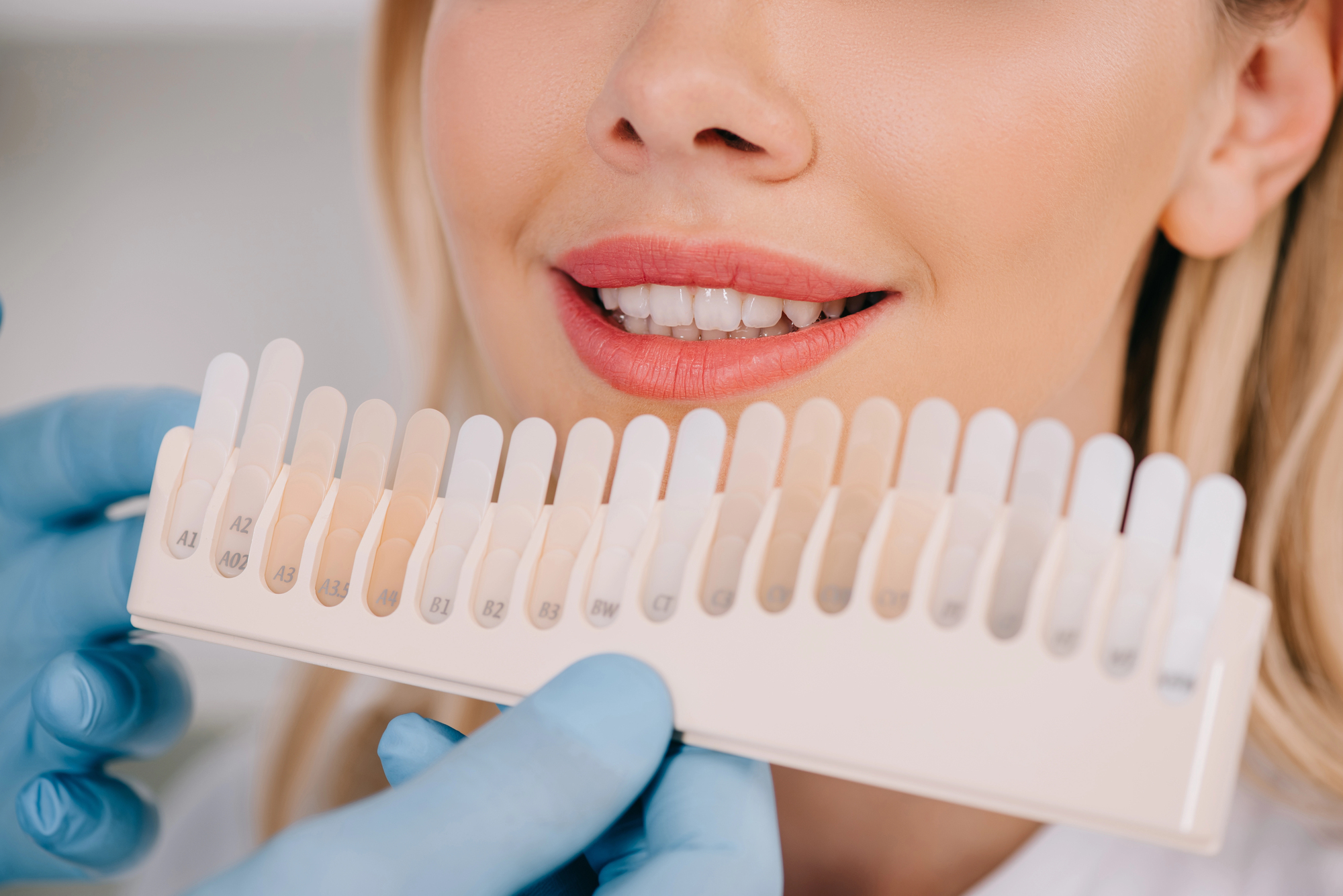
What Professional Teeth Whitening Actually Does
Professional teeth whitening focuses on lifting stains from the enamel. Stains can come from everyday habits—coffee, tea, red wine—or develop over time as teeth naturally darken.
There are two main types of discoloration:
- Surface stains, which sit on the outer layer of the tooth
- Deeper stains, which settle within the enamel over time
Professional treatments use carefully formulated whitening agents that break apart stains, revealing a lighter, brighter appearance. The process is controlled and adjusted based on each patient’s starting shade, sensitivity level, and goals.
Unlike over-the-counter options, professional whitening offers consistency. The strength of the treatment, the application method, and the timing are all designed with precision, which leads to more predictable results.
General Guidelines: How Often Is “Normal”?
For most patients, professional teeth whitening is typically scheduled every 6 to 12 months. This range works well for maintaining brightness without overexposing teeth to whitening agents.
That said, there is no universal schedule. Some patients prefer subtle maintenance, while others aim for a noticeably brighter smile year-round. Instead of repeating full treatments frequently, many benefit from periodic touch-ups that refresh results without starting from scratch.
A good way to think about whitening is as an ongoing process rather than a one-time treatment. The initial session creates the brightness, and occasional maintenance helps preserve it.
Factors That Affect Whitening Frequency
Lifestyle Habits
Drinks like coffee, tea, and red wine stain teeth because they contain strong pigments that cling to enamel, especially with repeated exposure. Certain deeply pigmented foods can also leave behind color that settles into the enamel, causing stains to return.
Smoking has a similar effect due to tar and nicotine, which build up and darken. Patients with higher exposure to staining substances often notice fading sooner, which may lead to more frequent touch-ups.
Natural Tooth Color and Enamel
Not all teeth respond the same way to whitening. Some people have darker or more stain-prone enamel. Others may notice discoloration more quickly due to thinner enamel, which allows underlying tones to show through.
Type of Whitening Treatment Used
The type of treatment matters:
- In-office whitening tends to be more concentrated, often delivering noticeable results in a single visit. It usually requires less frequent repetition.
- Take-home professional kits offer flexibility and are often used for maintenance between in-office sessions.
Many patients benefit from combining both, starting with an in-office treatment and maintaining results with occasional at-home touch-ups.
Sensitivity Levels
Tooth sensitivity varies from person to person because enamel thickness, existing wear, and nerve responsiveness all differ.
Whitening temporarily opens tiny pathways in the enamel, which can make nerves more reactive in some patients, while others with stronger enamel or lower sensitivity may notice little to no change.
For those who are more sensitive, spacing out treatments is important. Dentists can also adjust formulas or recommend approaches that keep the experience comfortable while still achieving results.
Desired Level of Brightness
Goals matter. A patient looking for a natural, subtle enhancement may need less frequent whitening. Someone aiming for a noticeably brighter smile may choose an initial treatment followed by scheduled maintenance.
The key is aligning the schedule with expectations while keeping long-term enamel health in mind.
Signs It Might Be Time for a Whitening Touch-Up
Whitening doesn’t fade overnight; it happens gradually. Recognizing the early signs can help maintain results without needing a full treatment again.
You may be ready for a touch-up if:
- Your teeth appear slightly dull or less vibrant than before
- Stains begin to return, especially along the edges or between teeth
- Your smile looks different in photos or under natural lighting
- You have an upcoming event and want your smile to look refreshed
Touch-ups are often quicker and less intensive than initial treatments, making them a practical way to maintain a consistent look.

Can You Whiten Too Often?
Yes, whitening too frequently can lead to unwanted side effects. Overuse may increase tooth sensitivity or cause irritation to the gums. It can also lead to diminishing returns, where additional treatments provide little noticeable improvement.
Spacing treatments appropriately helps protect enamel and ensures that whitening remains effective over time.
A dentist can recommend a schedule that balances results with long-term oral health, helping patients avoid overdoing it while still achieving the brightness they want.
How to Make Your Whitening Results Last Longer
A few simple habits can extend the life of your whitening and reduce how often touch-ups are needed:
Daily Habits
- Rinse your mouth with water after consuming staining foods or drinks to help wash away pigments before they settle into the enamel
- Keep up with consistent brushing and flossing to remove surface buildup that can dull your results over time
- Maintain a steady oral hygiene routine so stains have less opportunity to develop and accumulate
Smart Consumption Choices
- Use a straw when drinking darker beverages like coffee or iced tea to limit direct contact with your teeth
- Limit frequent exposure to highly pigmented foods and drinks, especially throughout the day when staining can build gradually
- Be mindful of daily habits that contribute to discoloration, including sipping on staining drinks over long periods
Maintenance Tools
- Use dentist-provided take-home trays for occasional touch-ups to refresh your results without needing a full in-office treatment
- Consider whitening-supportive toothpaste to help manage minor surface stains and keep your smile looking brighter between visits
These tools are designed to complement professional treatments, not replace them.
Routine Dental Visits
Regular cleanings help remove surface stains before they settle into the enamel. They also provide an opportunity to evaluate whether a touch-up is needed.
Consistent dental visits play a quiet but important role in keeping whitening results looking fresh.
Creating a Whitening Schedule That Works for You
The most effective whitening plan is one that fits your lifestyle, goals, and oral health. Some patients benefit from annual treatments, while others prefer shorter intervals with lighter maintenance.
A personalized approach allows for better results. Your dentist can evaluate enamel condition, sensitivity, and staining patterns to recommend a schedule that feels balanced and sustainable.
Rather than guessing when to whiten again, having a plan in place keeps your smile looking consistent without unnecessary treatments.
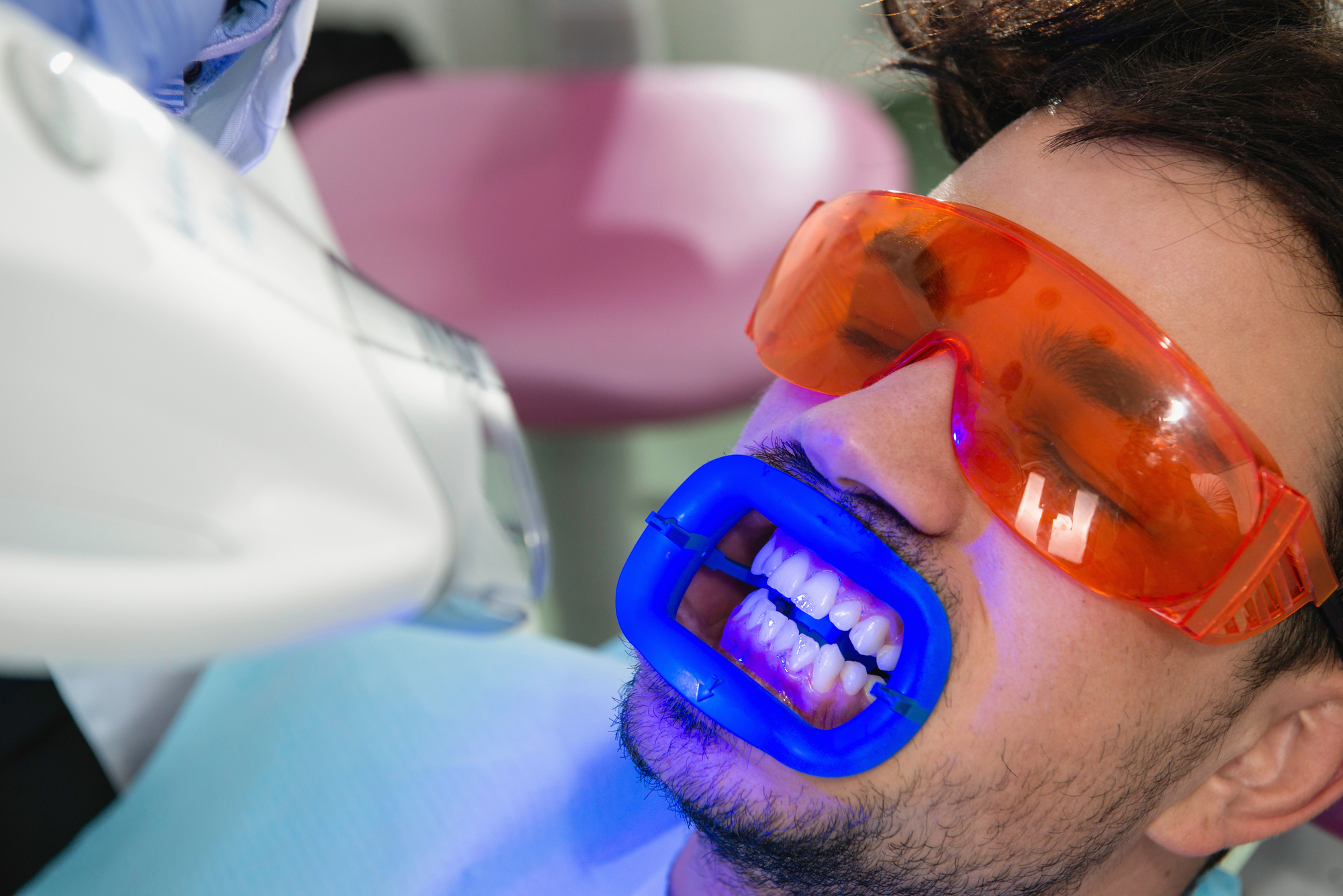
Keep Your Smile Looking Its Best with Teeth Whitening in Miramar
A brighter smile should feel easy to maintain, not uncertain or inconsistent. With the right timing and a customized approach, professional teeth whitening can stay both effective and comfortable.
If you’re thinking about refreshing your smile or creating a whitening plan that fits your routine, the team at Riviera Dental Care is here to help. You’ll be cared for by a team of highly trained clinicians who have been serving patients since 1986. Our office combines advanced technology with a thoughtful, detail-focused approach, offering treatment plans designed around your individual goals.
Schedule an appointment today and experience care designed to help you look and feel your best!
Contact Us
Office Hours
Monday
Tuesday
Wednesday
Thursday
Friday
Saturday-Sunday
9:00am - 5:00pm
9:00am - 6:00pm
9:00am - 6:00pm
9:00am - 5:00pm
9:00am - 2:00pm
Closed
