
What Nobody Tells You About Getting Dentures for the First Time
Dentures sound like a simple fix: you replace an entire arch of teeth at once, walk out with a new smile, and get back to normal life right away. However, reality looks less like a quick fix and more like learning a new skill with your own mouth.
There’s a strange gap between how dentures are expected to feel and how they actually feel at first. Eating feels unfamiliar. Speaking takes conscious effort. Even something as simple as resting your mouth can feel different. None of this means something is wrong; it just means your mouth is adapting to something completely new.
Getting dentures in Miramar for the first time is a transition period that reshapes how you eat, speak, and experience confidence in everyday life.

It Doesn’t Start the Day You Get Your Dentures
Before you ever receive your final dentures, your dentist will carry out a detailed examination, take impressions of your mouth, and evaluate your bite and gums. If extractions are needed, healing time may also be part of the process before final placement.
The preparation stage is important because dentures are not one-size-fits-all. They are custom-made to match your mouth structure, facial shape, and functional needs.
There can also be a waiting period between appointments, but this time is essential. It allows your mouth to heal and ensures your dentures fit as accurately as possible once they are ready.
The First Fit Rarely Feels Perfect Right Away
Even when dentures are precisely made, your mouth is adjusting to something completely new. It’s common to feel:
- Slight pressure in certain areas
- A sense of fullness in the mouth
- Mild looseness or shifting when speaking
After you get your new teeth, your mouth and muscles must learn how to work with the new appliance.
Small adjustments are expected, especially in the first few weeks. Follow-up visits are a normal and important part of the process, allowing your dentist to fine-tune the fit for comfort and stability.
The First Week Can Feel Surprisingly Awkward
The first several days with dentures can feel unusual in ways most people don’t anticipate.
Your tongue, cheeks, and lips are all adjusting at once. This can temporarily affect:
- Speech clarity
- General comfort while talking or resting
Some people notice a slight lisp or feel as though they need to think about how they speak. Others feel overly aware of their dentures simply because they are new.
This phase can be frustrating, but it is temporary. Most patients begin to adapt noticeably within the first couple of weeks as their muscles learn new patterns.
Eating Is Something You Relearn, Step By Step
One of the biggest lifestyle changes with new dentures is eating.
Even simple meals can feel different at first. Foods that were once effortless may require a new approach, and chewing may feel less coordinated in the beginning.
Most patients start with softer foods such as eggs, pasta, yogurt, or soups. As comfort improves, they gradually reintroduce firmer foods.
A key adjustment is learning to chew evenly on both sides of the mouth. This helps stabilize dentures and prevents them from shifting.
It’s also normal to avoid certain sticky or very tough foods early on, not because they are forbidden, but because your mouth simply needs time to adapt. With patience, most people return to a varied, enjoyable diet.
Speaking Clearly Takes a Little Practice
Speech changes are another unexpected part of getting dentures for the first time.
Certain sounds may feel awkward initially, especially “s” and “f” sounds. This happens because your tongue is adapting to a new shape inside your mouth.
A simple and effective way to adjust is by practicing speaking out loud:
- Reading books or articles aloud every day to build confidence and improve clarity
- Repeating challenging words slowly and carefully until pronunciation feels more natural and controlled
- Speaking more deliberately at first to help your tongue and mouth adapt
With repetition, most patients regain natural speech quickly. The brain and muscles are incredibly adaptable, even if it doesn’t feel that way at the start.
Discomfort Is Common But Will Improve
It’s important to understand the difference between normal adjustment and ongoing problems.
Mild soreness or pressure points are common in the early stages. These occur because soft tissues are not yet accustomed to the denture surface. However, discomfort should gradually improve, not worsen.
If pain persists or becomes sharp, it may indicate that a small adjustment is needed. This is exactly why follow-up appointments matter.
The Emotional Adjustment Is Just As Real As The Physical One
Even when the result is an improved smile, there can still be moments of self-consciousness. Some patients worry about whether others will notice their dentures or whether they will feel like themselves again.
This emotional transition is completely normal. Tooth loss can affect confidence, identity, and even how someone interacts socially. Restoring that smile is a positive step, but it still takes time to feel fully natural.
As comfort grows physically, confidence usually follows.
Daily Care Becomes a New Routine
Once dentures are in place, caring for them becomes part of your everyday habits.
This includes:
- Cleaning them thoroughly each day using a soft brush and non-abrasive cleanser to remove food particles, plaque buildup, and bacteria that can accumulate throughout the day.
- Removing them at night when advised by your dentist, allowing your gums and soft tissues to rest while also helping maintain the shape and health of your oral structures.
- Soaking them in a proper cleaning solution overnight to keep them hydrated, reduce staining, and help maintain their fit and freshness for daily use.
- Maintaining good oral hygiene for gums and any remaining natural teeth by gently brushing, stimulating gum health, and supporting overall oral comfort and stability.
At first, this may feel like an extra step, but most patients quickly integrate it into their routine.
Good care helps extend the lifespan of dentures and keeps your mouth healthy and comfortable.
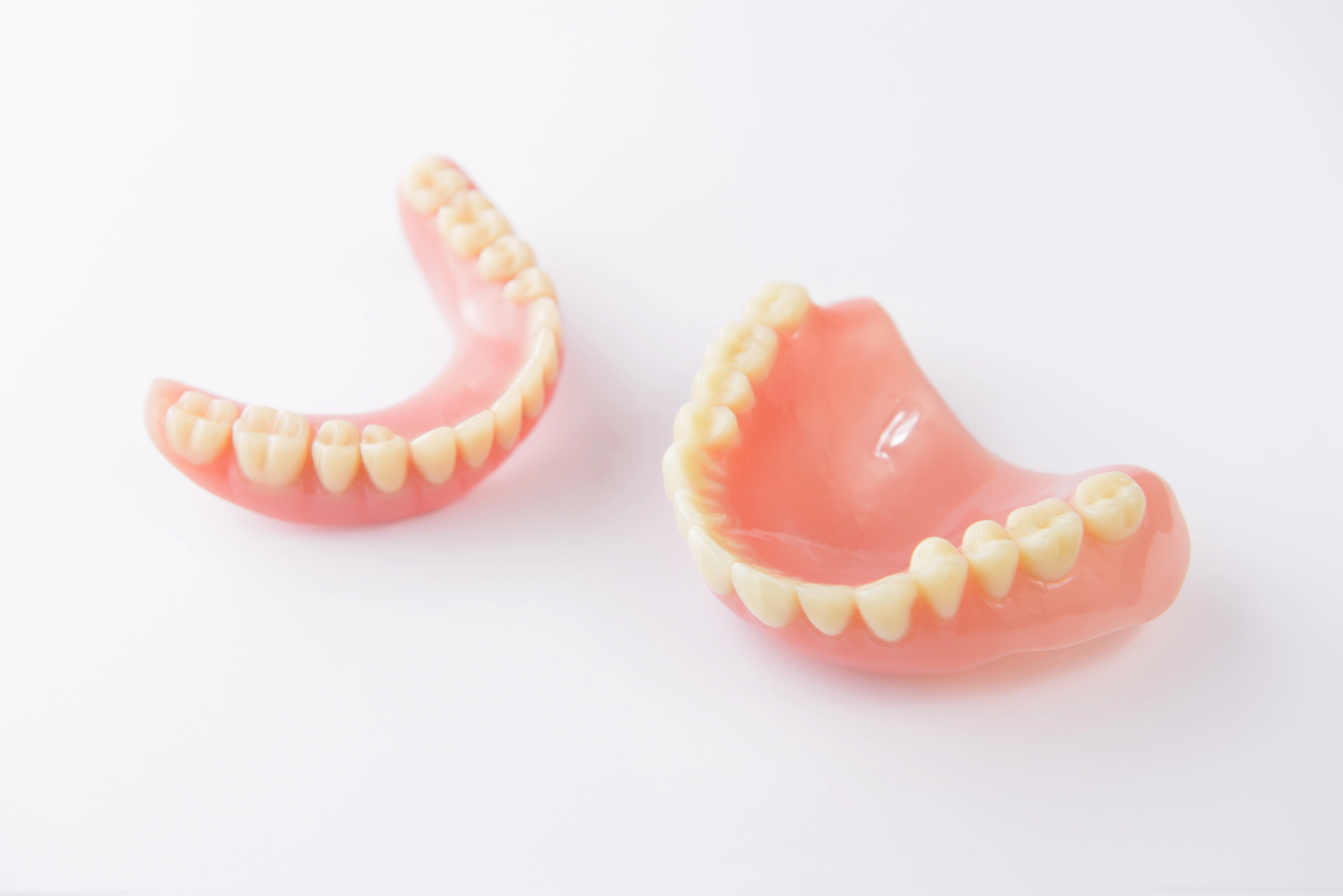
A Few Weeks In, Things Start to Feel Normal Again
One of the most reassuring parts of the denture journey is how quickly things improve with time.
After the initial adjustment period:
- Eating becomes easier and more natural
- Speech returns to normal
- Comfort improves significantly
- Dentures begin to feel like part of daily life
Most patients reach a point where they no longer think about their dentures constantly—they simply function with them. That transformation is what makes the early adjustment period worthwhile.
When You Should Reach Out to Your Dentist
While adjustment is expected, certain signs should not be ignored. Contact your dentist if you experience:
- Persistent sore spots that don’t heal
- Dentures that feel extremely loose or unstable
- Any breakage or visible damage
Early attention can prevent bigger issues and make the transition much smoother.

Ready to Take the Next Step? Contact Our Team for Quality Dentures in Miramar
Getting dentures is a personal transition that deserves patience, clarity, and support at every stage.
At Riviera Dental Care, our experienced clinicians have been caring for patients since 1986, combining advanced dental technology with thoughtful, individualized treatment planning in a warm and comfortable environment. Every smile is different, and your care plan should be too.
If you’re considering dentures or need guidance adjusting to them, we’re here to help you feel informed and confident. We also specialize in a full range of restorative treatments, including crowns, implants, bridges, and extractions, so you can receive comprehensive care tailored to your needs in one place.
Schedule an appointment with Riviera Dental Care today and find out how you can get a more comfortable, confident smile!
Contact Us
Office Hours
Monday
Tuesday
Wednesday
Thursday
Friday
Saturday-Sunday
9:00am - 5:00pm
9:00am - 6:00pm
9:00am - 6:00pm
9:00am - 5:00pm
9:00am - 2:00pm
Closed
