
Why Do My Gums Bleed During a Cleaning and Should I Be Worried?
You're leaned back in the chair, the hygienist is working along your gumline, and you catch a glimpse of pink swirling in the rinse cup.
Bleeding during a teeth cleaning in Miramar might just mean your gums haven't seen much floss lately, or it could be an early nudge from your body that something needs attention. Both possibilities can look identical in the moment, which is why so many people leave their appointment still wondering what it meant.

Common, Non-Alarming Reasons Gums Bleed
You've Been Slacking on Flossing
If floss hasn't made a regular appearance between your teeth lately, your gums can become a bit more reactive to touch. Gum tissue is like any other part of the body that's used to gentle treatment: when it suddenly experiences more thorough contact than it's accustomed to, it responds with a little inflammation, and inflamed tissue bleeds more easily.
Luckily, this kind of gum bleeding tends to resolve quickly. The fix is as simple as easing back into a consistent flossing habit, and most people notice their gums toughen up and stop bleeding within a couple of weeks.
Plaque and Tartar Buildup Along the Gumline
Plaque is a soft, sticky film that forms on your teeth throughout the day, and if it isn't removed regularly, it hardens into tartar. Once tartar sets in, it can't be brushed away at home, no matter how diligent you are; it requires professional tools to remove.
Tartar sitting right along the gumline traps bacteria against the gum tissue, which causes ongoing, low-grade inflammation even if you don't notice any symptoms day to day. When your hygienist scales that buildup away, the irritated tissue underneath is finally exposed and can bleed during the process.
Rather than being bad news, this is a sign the cleaning is doing exactly what it's supposed to do: removing the source of irritation so your gums can heal.
Your At-home Brushing Routine
Most people brush more gently and quickly at home than a hygienist does during a professional cleaning. If your daily routine tends to be on the lighter or less frequent side, your gum tissue isn't as conditioned to firmer, more thorough contact.
A professional cleaning reaches areas along and just beneath the gumline that an everyday toothbrush often misses, so a little bleeding in those spots can reflect that difference in intensity rather than any underlying problem.
Over time, a slightly more consistent and thorough at-home routine can help close that gap.
Certain Medications
Blood thinners, some blood pressure medications, and a handful of other prescriptions can make bleeding more likely throughout the body, including in the gums, even when the tissue itself is healthy. This isn't cause for alarm, but it is useful information for your dental team to have.
If you're taking any of these medications, mentioning it to your hygienist before your cleaning begins allows them to factor it into what they see and reassures you that any bleeding is expected and not a symptom of a new issue.

When Bleeding Points to Something More: Gum Disease
While occasional bleeding tied to one of the reasons above is usually nothing to stress over, persistent or frequent bleeding can be an early sign of gum disease.
Gingivitis is the earliest stage, and it's fully reversible with proper care. It develops when plaque and bacteria are allowed to sit along the gumline for an extended period, triggering inflammation in the gum tissue itself. Signs include red or swollen gums and bleeding that shows up not just at cleanings, but also when you brush or floss at home, sometimes even with fairly light contact.
Because gingivitis affects only the soft tissue and hasn't yet impacted the deeper structures that support your teeth, it usually responds well to improved oral hygiene at home combined with a professional cleaning to clear away the buildup that's causing the irritation in the first place.
Periodontitis is what happens when gingivitis is left untreated and progresses further. At this stage, the inflammation moves beyond the surface tissue and begins affecting the bone and ligaments that hold your teeth in place.
You might notice:
- Gums pulling away from your teeth
- Persistent bad breath that doesn't go away with brushing
- Teeth that feel a little loose or shift slightly when you bite down
Bleeding at this point tends to be more frequent and harder to ignore, rather than an occasional occurrence tied to a single missed flossing session. Unlike gingivitis, periodontitis isn't something that reverses on its own with brushing and flossing alone; it requires more involved treatment from your dental team to manage and stabilize.
Other Factors That Can Increase Bleeding
Beyond flossing habits, tartar buildup, and gum disease, a handful of other everyday factors can influence how easily your gums bleed, even when nothing serious is going on:
- Pregnancy hormones. Many people experience what's sometimes called pregnancy gingivitis, where rising hormone levels increase blood flow to the gum tissue and make it more sensitive, swollen, and prone to bleeding, even with a normal oral hygiene routine.
- Vitamin deficiencies. Low levels of certain vitamins, particularly Vitamin C and Vitamin K, can affect how well your gums heal and how easily they bleed. Vitamin C plays a role in maintaining healthy connective tissue, while Vitamin K is involved in the body's ability to clot blood.
- Smoking or vaping. Smoking can mask bleeding in the short term by constricting blood vessels and reducing blood flow to the gums, which can make gum tissue look deceptively healthy even when it isn't. Underneath that surface appearance, smoking can allow gum disease to progress further before any bleeding becomes noticeable.
- Stress. Ongoing stress can affect your immune response and increase inflammation throughout the body, including in the gums. Stress can also indirectly affect oral health by disrupting sleep, changing eating habits, or making it harder to stay consistent with a flossing routine.
When to Call Sooner Rather Than Later
While a single cleaning with some minor bleeding usually isn't cause for concern, a few symptoms are worth a phone call before your next scheduled visit:
- Bleeding that happens regularly, not just occasionally
- Gums that appear to be pulling back or receding
- Teeth that feel loose or shift slightly
- Persistent bad breath that doesn't improve with brushing
- Ongoing gum pain or sensitivity
Regular cleanings are how these issues get caught early, often before they turn into something more complicated. Even if a cleaning brings up a little bleeding, keeping up with your regular schedule is one of the best things you can do for your long-term oral health.
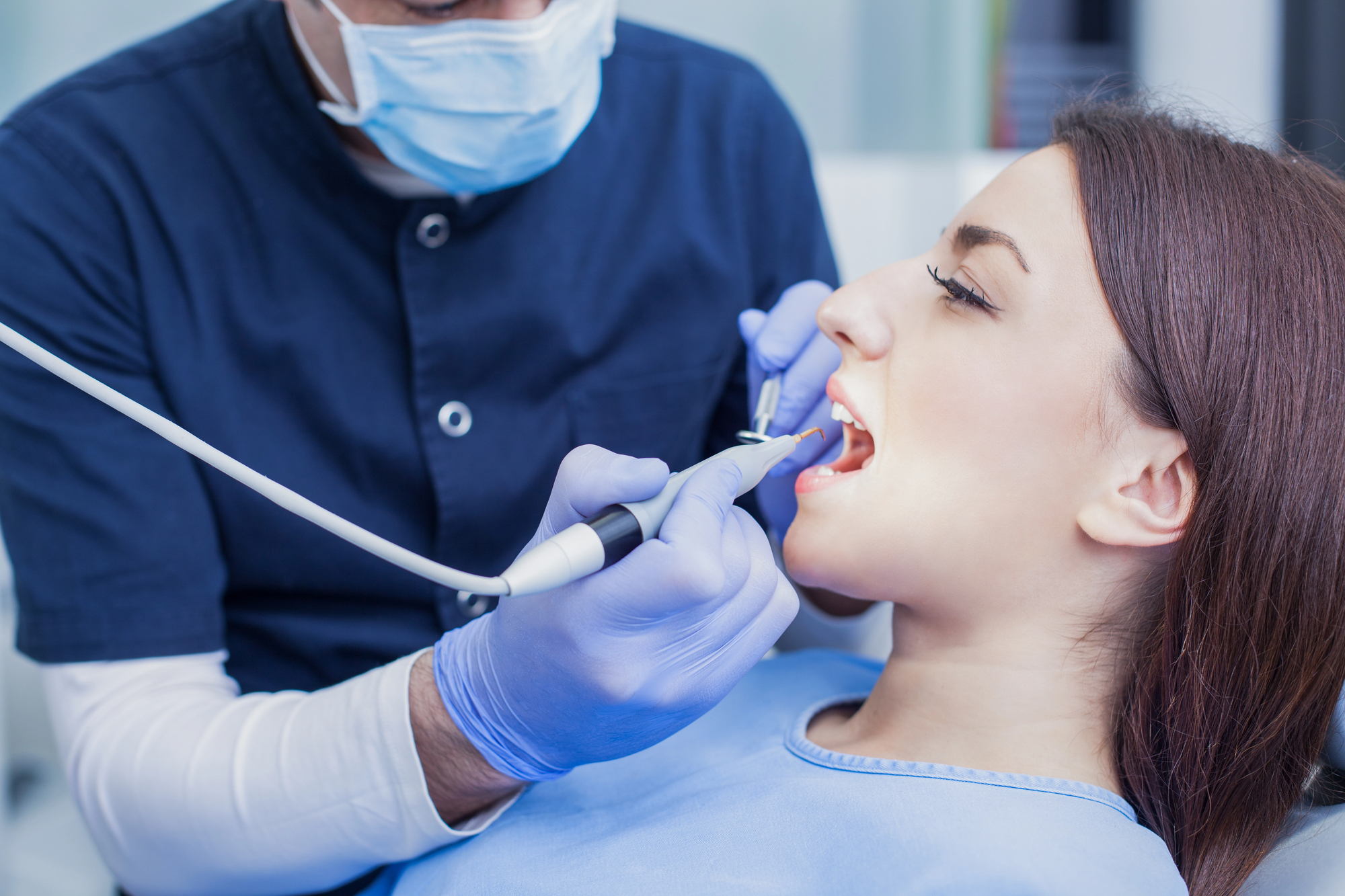
Ready for Your Next Teeth Cleaning in Miramar?
Since 1986, our team of energetic, highly trained clinicians has been caring for patients of every age, from the youngest smiles to the young at heart. We combine advanced technology with thoughtful, individualized treatment planning, all delivered in a warm and welcoming environment designed with your comfort in mind.
If it's been a while since your last cleaning, or if you've noticed bleeding gums and want a professional opinion, we'd love to see you. Schedule an appointment with Riviera Dental Care today, and let us help you look and feel your best.
Contact Us
Office Hours
Monday
Tuesday
Wednesday
Thursday
Friday
Saturday-Sunday
9:00am - 5:00pm
9:00am - 6:00pm
9:00am - 6:00pm
9:00am - 5:00pm
9:00am - 2:00pm
Closed
